When you picture your dream house, what do you see? A cozy cottage wrapped in ivy? A sleek glass structure overlooking the city skyline? The truth is, the world of types of homes styles is far more diverse than most of us realize—and understanding them can completely change how you see architecture, real estate, and even your own neighborhood.
Whether you’re planning to build, buy, renovate, or simply admire beautiful homes, knowing the different types of homes styles helps you make smarter decisions. It influences resale value, maintenance costs, energy efficiency, and even lifestyle comfort. In reality, your home style shapes how you live every day.
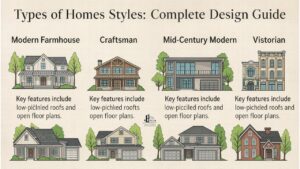
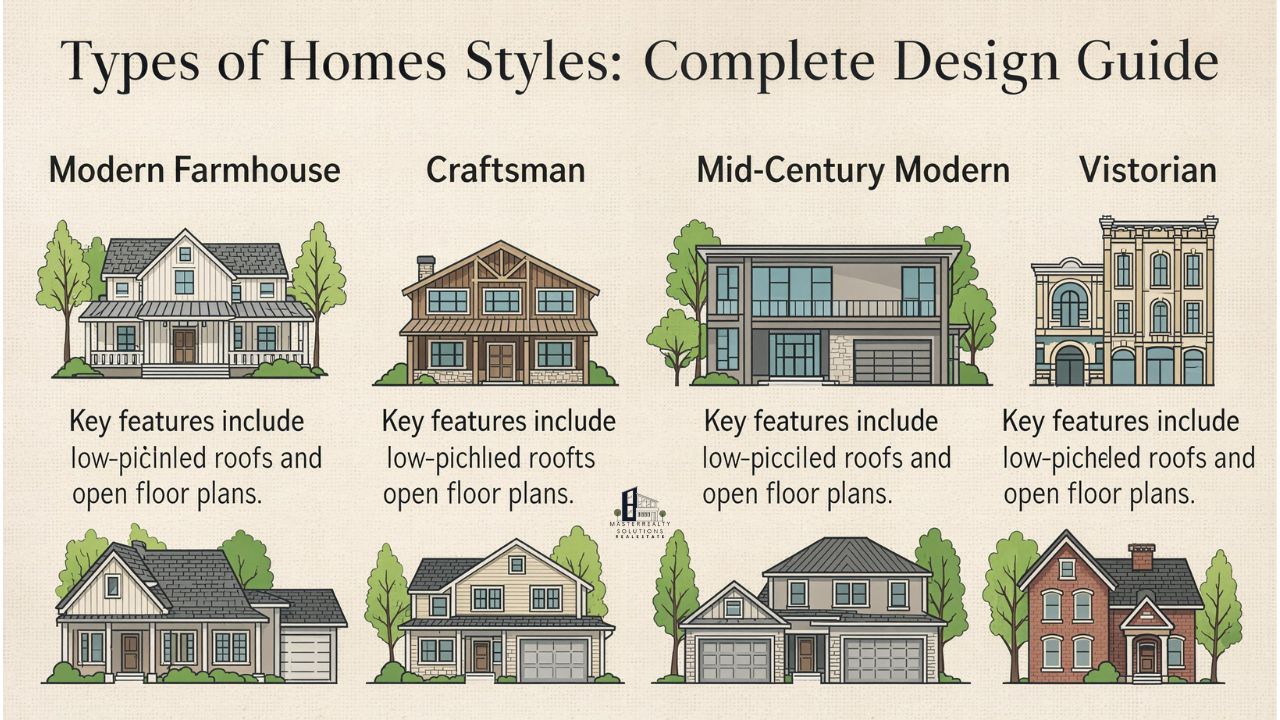
Before diving into the details, let’s visually explore some iconic house styles that define neighborhoods around the world.


Understanding Types of Homes Styles
Before we analyze specific categories, it helps to define what we mean by <strong>types of homes styles</strong>.
A home style refers to the architectural design, structural layout, exterior materials, and decorative elements that give a house its distinctive character. These elements include:
- Roof shape (gable, hip, flat)
- Window type and arrangement
- Exterior materials (brick, wood, stucco, glass)
- Structural symmetry or asymmetry
- Interior layout patterns
Architectural styles often reflect historical periods, cultural influences, climate conditions, and technological advancements. For example, steep-pitched roofs in Northern Europe evolved to handle heavy snow. Meanwhile, Mediterranean homes feature stucco walls and clay tiles suited for warm climates.
Understanding these foundations helps you appreciate why different types of homes styles exist—and why they continue to evolve.
Modern Types of Homes Styles
Modern architecture has reshaped residential design over the last century. Clean lines, open layouts, and natural light dominate many contemporary homes.
Minimalist Homes
Minimalist houses focus on simplicity. They often feature:
- Flat roofs
- Neutral color palettes
- Large windows
- Open floor plans
- Limited decorative elements
The philosophy here is intentional living. Less clutter, more function. In urban areas, minimalist homes often command higher resale value due to their contemporary appeal.
Contemporary Homes
Contemporary homes constantly evolve with current trends. Unlike “modern,” which refers to a specific design movement, contemporary reflects what’s popular now.
Common features include:
- Mixed materials (steel, glass, wood)
- Asymmetrical façades
- Sustainable building techniques
- Smart home technology integration
Mid-Century Modern
Originating between the 1940s and 1970s, this style emphasizes:
- Low-slung profiles
- Integration with nature
- Floor-to-ceiling windows
- Open living spaces
In many markets, mid-century homes appreciate rapidly due to nostalgic appeal and architectural significance.
Traditional and Historic House Styles
Many neighborhoods still celebrate timeless architecture rooted in centuries of design evolution.
Victorian Homes
Victorian houses stand out for ornate detailing and decorative trim. Built during the 19th century, they often include:
- Steep gabled roofs
- Turrets or towers
- Decorative woodwork
- Bold exterior colors
While visually stunning, maintenance costs can be high due to intricate craftsmanship.
Colonial Homes
Colonial-style homes remain popular in North America. They typically feature:
- Symmetrical façades
- Central front door
- Multi-pane windows
- Brick or wood siding
Their balanced appearance makes them a favorite for suburban developments.
Craftsman Homes
Emerging in the early 20th century, Craftsman houses emphasize:
- Low-pitched roofs
- Exposed wooden beams
- Front porches
- Handcrafted details
These homes prioritize natural materials and cozy interiors.
Regional Types of Homes Styles Around the World
Architecture adapts to geography, culture, and climate.
Mediterranean Style
Inspired by Spanish and Italian villas, Mediterranean homes include:
- Stucco walls
- Red tile roofs
- Arched windows
- Courtyards
They perform well in warm climates due to natural cooling design.
Scandinavian Homes
Scandinavian design focuses on:
- Simplicity
- Energy efficiency
- Light-filled interiors
- Natural wood elements
In colder climates, insulation and triple-glazed windows enhance sustainability.
Japanese Traditional Homes
Traditional Japanese houses emphasize:
- Sliding doors (shoji)
- Tatami flooring
- Minimalist design
- Connection to gardens
This style prioritizes harmony with nature and flexibility of space.
Luxury and High-End Home Designs
High-end types of homes styles often blend architectural heritage with modern innovation.
Mansion Estates
Large properties with:
- Multiple wings
- Grand staircases
- High ceilings
- Custom detailing
Luxury estates frequently include private amenities such as pools, theaters, and home gyms.
Modern Glass Villas
These homes maximize:
- Panoramic views
- Indoor-outdoor living
- Architectural statement design
However, they require advanced insulation systems to manage temperature efficiency.
Emerging and Eco-Friendly Home Styles
Sustainability now influences many new types of homes styles.
Tiny Homes
Tiny homes range from 100 to 400 square feet. Benefits include:
- Lower mortgage costs
- Reduced utility bills
- Minimal environmental impact
However, zoning regulations can limit placement options.
Passive Houses
Passive homes focus on extreme energy efficiency. They use:
- Superior insulation
- Airtight construction
- Heat recovery ventilation systems
Studies show passive homes can reduce energy consumption by up to 90% compared to conventional houses.
Container Homes
Repurposed shipping containers create modern industrial designs. They are:
- Affordable
- Modular
- Quick to construct
Proper insulation remains crucial for comfort.
How to Choose the Right Home Style
Selecting from the many types of homes styles depends on several factors:
1. Climate
A Mediterranean villa suits warm regions, while steep-roofed cottages handle snow better.
2. Budget
Victorian restorations may require significant maintenance budgets. Minimalist designs often reduce construction costs.
3. Lifestyle
Large families may prefer open-concept homes. Remote workers may prioritize dedicated office space.
4. Resale Value
Certain styles maintain stronger long-term appreciation depending on local demand.
5. Personal Taste
Ultimately, your home should feel like an extension of your identity.
Personal Background: The Evolution of Residential Architecture
Residential architecture has evolved alongside human civilization. Early shelters focused purely on protection. Over centuries, architectural movements reflected social status, technological innovation, and cultural expression.
Architects such as Frank Lloyd Wright revolutionized residential design with organic architecture concepts. His work demonstrated that homes could harmonize with nature rather than dominate it.
The global residential construction industry today exceeds trillions of dollars annually. In the United States alone, housing represents a significant portion of household wealth, often making up the majority of personal net worth.
In reality, home styles are more than design preferences—they reflect economic shifts, social changes, and personal aspirations.
FAQs
What are the most popular types of homes styles today?
Modern, contemporary, farmhouse, and craftsman styles dominate current real estate markets due to their versatility and resale value.
Which home style has the highest resale value?
Mid-century modern and contemporary homes often command strong resale prices in urban markets.
Are traditional home styles more expensive to maintain?
Yes, especially Victorian or historic properties due to specialized materials and detailed craftsmanship.
What home style works best in cold climates?
Scandinavian and colonial homes with steep roofs and insulation features perform well in snowy regions.
Are eco-friendly homes worth the investment?
While upfront costs can be higher, passive and sustainable homes significantly reduce long-term energy expenses.
How do I identify my home’s architectural style?
Look at roof shape, window design, exterior materials, and structural symmetry.
Can I mix different home styles?
Yes, transitional designs blend traditional and modern elements successfully.
What is the difference between modern and contemporary homes?
Modern refers to a specific 20th-century design movement. Contemporary reflects current design trends.
Conclusion
Exploring the vast range of types of homes styles opens your eyes to how architecture shapes everyday living. Each style carries history, personality, and practical implications. Some offer timeless charm. Others embrace innovation and sustainability.
In the end, choosing a home style isn’t just about appearance. It’s about how you want to live, what inspires you, and how your space supports your future. Take your time, explore your options, and remember—your perfect home style is the one that feels right every time you walk through the door.