Imagine stepping into a place where the future feels like it’s already happening. A place where ideas don’t just float around—they come together, take shape, and form a roadmap for success. That’s exactly what a back casting room is. It’s not just any room. It’s a strategic hub, designed to help you figure out exactly how to get from where you are now to the place you want to be in the future. Think of it as a time machine for planning—but one where you’re in control.
At its core, a back casting room is all about working backwards from a desired outcome. Instead of guessing what the future might look like (like traditional forecasting), you start with your dream goal, then map out the steps needed to reach it. It’s kind of like imagining the finish line of a race before even starting—and then figuring out each move to cross it confidently.
The idea might sound complex, but don’t worry. We’re going to break it down in a way that makes sense, step by step. By the time you finish reading, you’ll understand not only what a back casting room is but also why it’s one of the smartest tools for anyone looking to plan ahead, make decisions, or innovate in their personal or professional life. Upgrade your home with Aactivepropertycare and expert wainscoting solutions designed to add style, protection, and lasting value. From modern interiors to classic finishes, we deliver quality craftsmanship that enhances every space.
What Makes a Back Casting Room Different?
You might be asking yourself: “Wait, isn’t this just another fancy planning session?” Not exactly. A back casting room is different because it flips the usual planning process on its head. Traditional planning often relies on forecasting, which tries to predict the future based on past trends. But life is messy, unpredictable, and full of surprises. That’s where the back casting room comes in.
Instead of asking, “What might happen next?” in a normal meeting, in a back casting room, you ask, “What do I want to happen?” Then you work backwards. It’s like looking at a treasure map in reverse—you start at the treasure and trace the route back to your starting point. This approach gives clarity, focus, and confidence because you already know what success looks like.
And let’s be honest: who doesn’t want a little clarity in life? Whether you’re planning a career move, designing a new product, or figuring out how to make your city greener, the back casting room method helps you cut through the noise and focus on what truly matters.
The Heart of the Back Casting Room
So, what’s inside a back casting room? Imagine a room filled with whiteboards, colorful sticky notes, digital screens, and maybe even a giant timeline on the wall. This is the physical version, but remember, a back casting room can also exist virtually. With digital tools, teams from around the world can collaborate as if they’re in the same space.
Inside the room, you’ll find people who are ready to think big and plan smart. They might use charts, graphs, or mind maps. Sometimes, it’s as simple as a team sitting around a table, discussing goals, and writing down steps on paper. The magic isn’t in the furniture—it’s in the process of backcasting itself. It’s about connecting the dots between today’s reality and tomorrow’s dream.
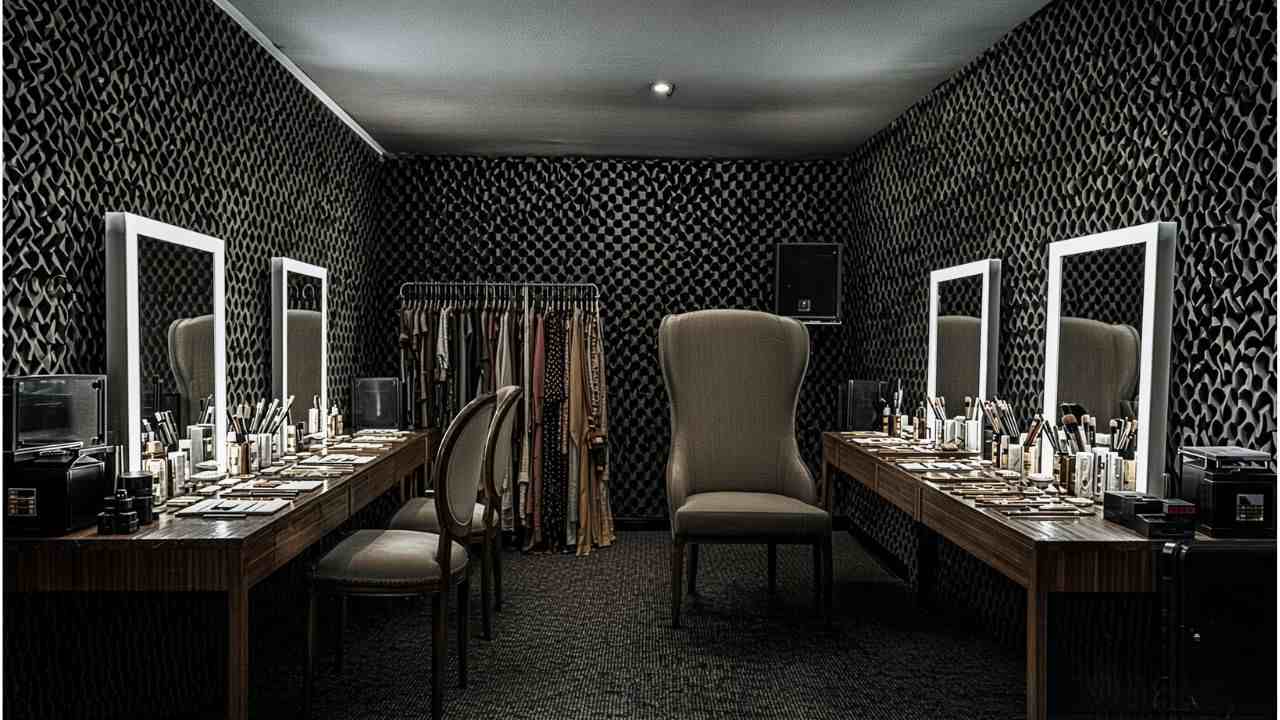
Interestingly, in some industries, you might also hear about a back room casting couch or back room casting. While the names sound a bit mysterious, they sometimes refer to spaces where planning, brainstorming, or even creative testing happens behind the scenes. The key idea is the same: these “back rooms” are spaces designed for focused, intentional work, away from distractions.
Why the Back Casting Room Works So Well
Here’s the thing: humans are naturally goal-oriented, but thinking about the future can be overwhelming. A back casting room simplifies this. By starting with a clear vision, you don’t have to guess or worry about every possible outcome. You just map out the path step by step.
Let’s break down why it works so effectively:
- Focus on What Matters: In a back casting room, you ignore irrelevant distractions. You’re not worrying about minor details that don’t impact your goal. Instead, you zero in on the actions that truly make a difference.
- Boosts Creativity: Working backwards often sparks creative solutions. You’re not stuck thinking linearly—you’re imagining possibilities and then finding ways to make them happen.
- Encourages Team Alignment: Whether it’s a corporate strategy or a community project, everyone in the back casting room sees the same end goal. This keeps teams motivated and aligned.
- Reduces Risk: By planning backward, potential obstacles become clear early on. You can develop contingency plans before problems appear.
In short, a back casting room turns uncertainty into a structured, manageable, and even exciting process.
The Role of a New Back Room Casting
Sometimes, organizations take the idea of a back casting room further and introduce a new back room casting concept. This is essentially an updated version of the traditional backcasting process. It could involve new digital tools, innovative collaboration techniques, or fresh ways to visualize goals. The new back room casting approach often incorporates more flexible and dynamic methods, making the process even more effective and engaging.
Think of it as upgrading from a flip chart to a high-tech interactive board. The principle is the same—you’re still working backward from a desired outcome—but the tools make it easier to track progress, share ideas, and adapt to changes quickly.
How a Back Room Casting Couch Can Be Useful
In some creative industries, terms like back room casting couch or back room casting pop up. While these might sound unconventional, they’re essentially spaces dedicated to focused collaboration. Think of them as cozy areas where individuals or small teams can brainstorm, test ideas, or run mini-workshops without distractions.
Even if you’re not in the entertainment world, the idea translates perfectly into strategic planning. A comfortable, dedicated space for deep thinking encourages reflection, creativity, and decision-making. You might set up a small “back room” in your office or even a quiet virtual room for your team. It’s all about creating an environment that fosters concentration and innovative thinking.
Real-World Examples of Back Casting Room Success
Seeing how others use a back casting room can make it easier to imagine your own. Let’s look at a few examples:
- Urban Planning: City planners in some European cities use back casting rooms to design future urban layouts. They start with goals like “net-zero emissions by 2040” and work backward to create actionable steps—transportation changes, building codes, and public awareness campaigns.
- Corporate Strategy: Large companies use back casting rooms to design new products or enter new markets. They envision a successful product launch three years down the line, then map out R&D, marketing, and logistics to ensure success.
- Sustainability Initiatives: Nonprofits often set up back casting rooms to achieve environmental goals. Starting with the desired impact, they work backward to define partnerships, campaigns, and funding requirements.
In all these cases, the back casting room turns abstract goals into concrete, actionable plans.
Engaging Your Team in a Back Casting Room
One of the secrets to a successful back casting room is participation. The best results happen when everyone is involved, contributing ideas, and thinking critically. Here are a few tips for engagement:
- Assign Roles: Each participant can focus on a different aspect of the plan—research, visualization, timeline management, or idea evaluation.
- Encourage Brainstorming: No idea is too big or too small in a back casting room. Even wild ideas can lead to innovative solutions.
- Use Visuals: Charts, timelines, sticky notes, and whiteboards help people see the path from now to the goal.
- Celebrate Small Wins: As each step of the plan is clarified, recognize progress. This keeps motivation high.
Whether it’s a new back room casting, a traditional back casting room, or a casual back room casting couch session, engagement is key to turning ideas into reality.
Making It Work for You
You might be thinking, “This all sounds great, but how do I start?” Don’t worry—setting up a back casting room is easier than it seems:
- Define Your Goal Clearly: Decide what success looks like. The clearer the goal, the easier it is to work backward.
- Choose Your Team: Include people with diverse skills and perspectives to create a well-rounded plan.
- Set Up the Room: Whether it’s a physical space or a digital platform, make it comfortable and distraction-free.
- Map the Steps: Work backward from the goal to identify each action, resource, and milestone needed.
- Review and Adjust: The back casting room isn’t a one-time event. Revisit the plan, adjust steps, and refine the approach as you go.
By following these steps, you can harness the power of a back casting room to tackle projects, plan strategies, and achieve ambitious goals.