
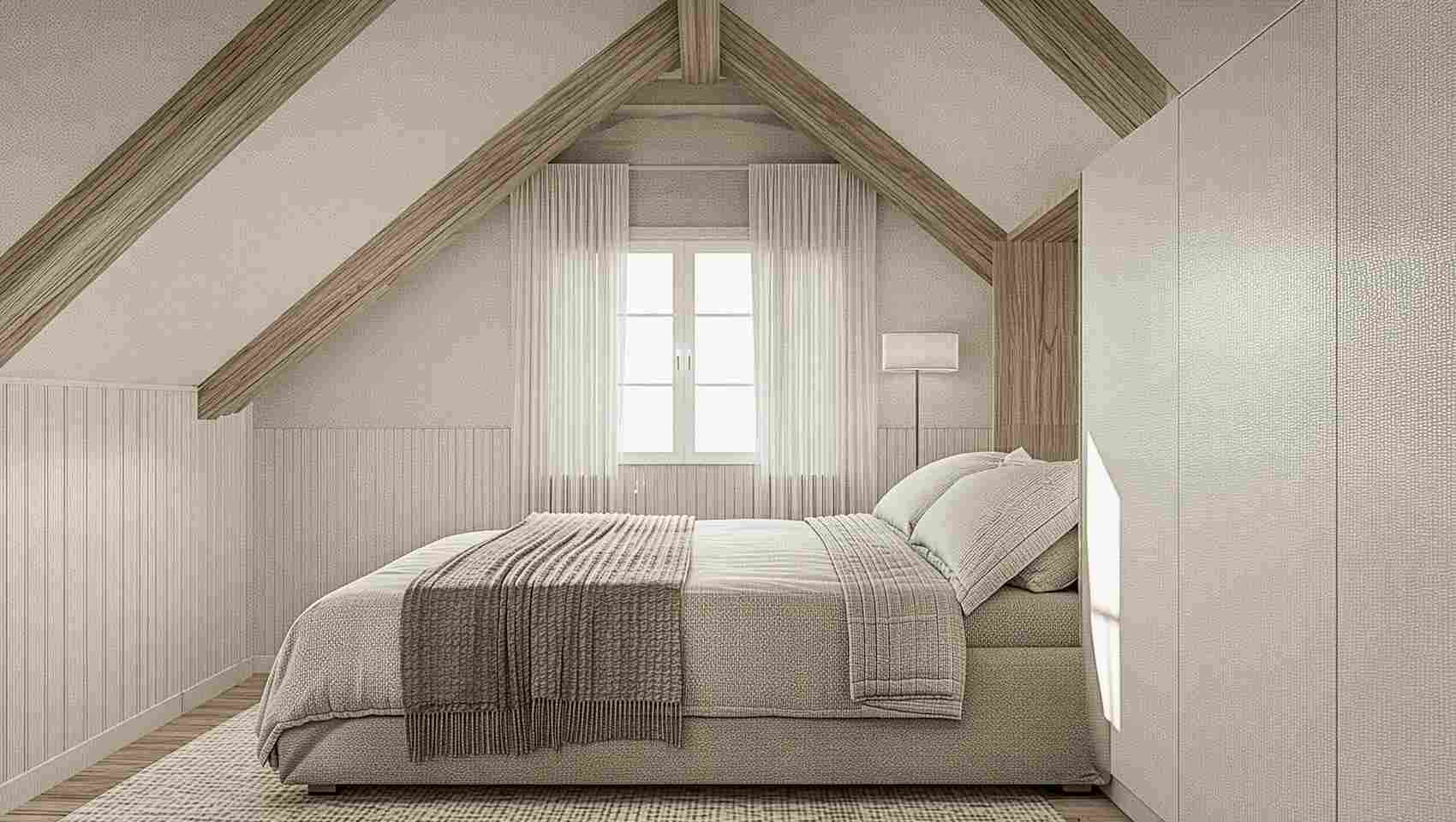
There’s something magical about attic spaces—quiet, tucked away, and full of potential. But when you’re dealing with low ceiling small attic room ideas, that charm can quickly turn into a design challenge. Sloped walls, limited headroom, and awkward layouts can make the space feel cramped if not handled thoughtfully.
The good news? With the right approach, even the smallest attic can become a cozy, stylish retreat. Whether you’re planning a bedroom, home office, or reading nook, smart design choices can transform limitations into strengths.
In this guide, we’ll explore creative, practical, and inspiring ways to make the most of your attic. From layout tricks to lighting solutions, these ideas are designed to help you unlock the full potential of your space—without compromising comfort or style.
Understanding the Challenges of Low Attic Spaces
Before diving into design ideas, it’s important to understand what makes attic rooms tricky.
What Defines a Low Ceiling Attic?
A low ceiling attic typically features:
- Sloped or angled walls
- Limited standing height in certain areas
- Reduced natural light due to small windows
These characteristics can make furniture placement and movement difficult, but they also create a cozy, intimate feel when designed well.
Why Smart Design Matters
Without proper planning, attic rooms can feel:
- Cramped and cluttered
- Dark and uninviting
- Difficult to use efficiently
That’s why applying thoughtful low ceiling small attic room ideas is essential to make the space functional and beautiful.
Loft Conversion Low Ceiling Small Attic Room Ideas
Transforming an attic into a livable space is one of the smartest home upgrades you can make. A loft conversion adds both value and usable square footage.
Maximize Vertical Space Creatively
Even if height is limited, you can still create the illusion of space:
- Use low-profile furniture
- Install built-in storage along walls
- Keep the center area clear for movement
Built-In Furniture is Your Best Friend
Custom-built solutions can fit perfectly into awkward corners:
- Built-in beds under slopes
- Wall-mounted desks
- Integrated shelving units
These ideas are essential when exploring loft conversion low ceiling small attic room ideas because they eliminate wasted space.
Open Layouts Work Wonders
Avoid dividing the room into too many sections. Instead:
- Use rugs to define zones
- Keep sightlines open
- Choose minimal partitions
This approach makes the room feel larger and more breathable.
Sloped Ceiling Low Ceiling Small Attic Room Ideas
Sloped ceilings are often seen as a limitation, but they can become your biggest design asset.
Work With the Slope, Not Against It
Instead of fighting the angles, embrace them:
- Place beds or seating under the lowest points
- Use slopes for storage or shelving
- Highlight angles with lighting
Use Color to Expand the Space
Light colors can visually open up the room:
- Whites and soft neutrals reflect light
- Pastels create a calming atmosphere
- Monochrome palettes reduce visual clutter
Accent Walls Add Character
A bold accent wall on a sloped ceiling can:
- Draw attention upward
- Add depth and personality
- Break the monotony of small spaces
These techniques are key when applying sloped ceiling low ceiling small attic room ideas effectively.
Smart Furniture Choices for Small Attic Rooms
Furniture can make or break your attic design.
Go Low and Compact
Choose furniture that doesn’t overwhelm the space:
- Platform beds
- Low sofas
- Slim desks
Multi-Functional Pieces
Maximize utility with:
- Storage beds
- Foldable desks
- Convertible seating
Avoid Bulky Items
Large furniture can make the room feel cramped. Stick to:
- Minimalist designs
- Lightweight materials
- Open-leg furniture styles
Lighting Tricks to Brighten Your Attic
Lighting is crucial in attic spaces, especially when natural light is limited.
Layered Lighting Approach
Use a mix of:
- Ambient lighting (ceiling lights)
- Task lighting (desk lamps)
- Accent lighting (LED strips)
Skylights and Windows
If possible, install:
- Skylights to bring in natural light
- Dormer windows for added height and brightness
Reflective Surfaces
Enhance light with:
- Mirrors
- Glossy finishes
- Light-colored furniture
Storage Solutions That Actually Work
Storage is one of the biggest challenges in attic rooms.
Use Every Inch Wisely
Make use of:
- Under-bed storage
- Wall niches
- Corner shelves
Hidden Storage Ideas
Keep clutter out of sight:
- Built-in cabinets
- Storage benches
- Sliding drawers
Vertical Storage
Even in low ceilings, you can:
- Use wall-mounted shelves
- Install hooks and racks
- Utilize door space
Creating a Cozy Attic Bedroom
Turning your attic into a bedroom is one of the most popular uses.
Bed Placement Matters
Place the bed:
- Under the slope to maximize space
- Against a wall for support
- Near a window if possible
Soft Textures for Comfort
Add warmth with:
- Rugs
- Cushions
- Throws
Minimal Decor
Keep decor simple to avoid clutter:
- A few wall frames
- Soft lighting
- Neutral tones
Designing a Functional Attic Office
With remote work on the rise, attic offices are in demand.
Compact Workstations
Use:
- Wall-mounted desks
- Foldable tables
- Corner setups
Ergonomic Setup
Even in small spaces:
- Choose a comfortable chair
- Maintain proper lighting
- Ensure ventilation
Keep It Clutter-Free
A clean workspace improves focus:
- Use organizers
- Hide cables
- Limit decor
Color and Decor Tips for Small Attics
The right color palette can transform your attic.
Best Color Choices
- White for openness
- Beige for warmth
- Soft gray for modern appeal
Patterns and Textures
Use sparingly:
- Light patterns add interest
- Textures create depth
- Avoid heavy prints
Decor That Works
Stick to:
- Minimal wall art
- Functional decor
- Small plants for freshness
Common Mistakes to Avoid
Even the best ideas can fail if these mistakes are made:
- Overcrowding the space
- Using dark colors excessively
- Ignoring lighting needs
- Choosing oversized furniture
- Neglecting ventilation
Avoiding these ensures your low ceiling small attic room ideas work effectively.
FAQ
Frequently Asked Questions
What are the best low ceiling small attic room ideas for beginners?
Start with light colors, low furniture, and smart storage. Keep the layout simple and uncluttered.
Can I turn a small attic into a bedroom?
Yes, with proper planning, even a small attic can become a cozy bedroom using space-saving furniture and soft lighting.
How do I make a low attic ceiling look higher?
Use vertical lines, light colors, and strategic lighting to create the illusion of height.
Are loft conversions worth it for small attics?
Absolutely. Loft conversion low ceiling small attic room ideas can significantly increase usable space and home value.
What type of lighting works best in attic rooms?
Layered lighting with a mix of ambient, task, and accent lights works best.
How can I add storage to a small attic?
Use built-ins, under-bed storage, and wall-mounted shelves to maximize space.
What colors should I avoid in small attic rooms?
Avoid very dark colors as they can make the space feel smaller and more enclosed.
Can I create an office in a small attic?
Yes, a compact desk and smart organization can turn your attic into a productive workspace.
Conclusion
Designing an attic with limited height might seem challenging at first, but with the right mindset, it becomes an exciting opportunity. By applying smart low ceiling small attic room ideas, you can turn even the most awkward space into something functional, beautiful, and uniquely yours.
From clever storage solutions to thoughtful lighting and furniture choices, every detail plays a role in maximizing your attic’s potential. Whether you’re creating a peaceful bedroom, a productive office, or a cozy retreat, the key is to work with the space—not against it.
With a little creativity and planning, your attic can become one of the most loved spaces in your home.