
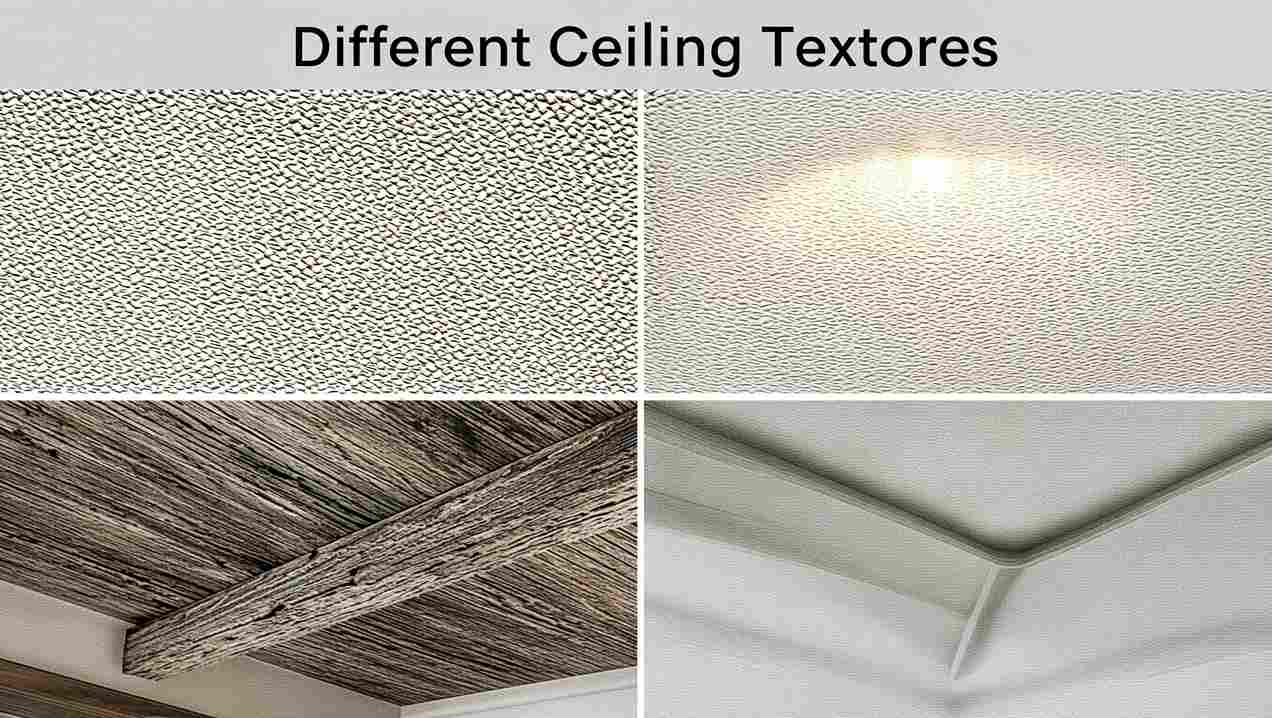
A ceiling is more than just a surface above your head—it shapes the entire feeling of a room. When you start exploring different ceiling textures, you quickly realize how much impact this “fifth wall” has on interior design, comfort, and style.
From smooth modern finishes to artistic patterns and bold decorative designs, ceilings have evolved into a major design feature in homes today. Understanding different ceiling textures helps you choose the right look that matches your space, lighting, and personality.
Many homeowners don’t realize that different ceiling textures can completely change how big, warm, or stylish a room feels. Whether you are renovating or building from scratch, ceiling design plays a key role in creating a polished interior.
In this guide, we’ll explore everything from styles and techniques to names, patterns, and practical applications so you can confidently choose the right ceiling finish for your home.
Understanding Different Ceiling Textures in Modern Homes
Ceiling texture refers to the surface finish applied after drywall installation. These finishes are part of different ceiling textures used in interior design to enhance appearance and function.
In modern homes, different ceiling textures are used not only for decoration but also to hide imperfections, improve acoustics, and enhance lighting effects.
Why ceiling texture matters in design
- Improves room aesthetics
- Covers drywall flaws
- Enhances lighting reflection
- Adds depth and character
When we talk about different ceiling textures, we are actually referring to a wide range of finishes that suit both traditional and modern homes.
Different Types of Ceiling Texture Explained
There are many different types of ceiling texture used in residential and commercial spaces. Each type has its own visual effect and application method.
Common categories include:
- Smooth ceilings
- Popcorn texture
- Knockdown finish
- Orange peel texture
- Decorative plaster finishes
These different types ceiling texture options allow homeowners to choose based on style preference and function.
Understanding different types of textured ceilings helps you match your ceiling with your overall interior theme.
Different Types of Ceiling Textures and Their Uses
When exploring different types of ceiling textures, it’s important to understand how each one is used in real homes.
Popular usage examples:
- Living rooms: smooth or knockdown
- Bedrooms: soft orange peel
- Basements: textured or drop ceilings
- Luxury spaces: decorative plaster
These different kinds of ceiling texture options provide flexibility for every room type.
Among all different ceiling textures, some are chosen for beauty while others are chosen for practicality.
Different Ceiling Texture Styles for Modern Interiors
Interior designers often categorize ceilings into different ceiling texture styles based on visual appearance and technique.
Popular styles include:
- Minimalist smooth ceilings
- Rustic wood beam ceilings
- Artistic plaster ceilings
- Patterned textured finishes
These different styles of ceiling textures help define the mood of a space.
In modern architecture, different styles of textured ceilings are used to create both subtle and bold design statements.
Different Ceiling Texture Patterns and Visual Effects
Ceiling patterns play a big role in interior aesthetics. The different ceiling texture patterns available today range from simple to highly decorative.
Common patterns:
- Swirl patterns
- Stipple patterns
- Lace textures
- Geometric plaster designs
These different ceiling texture types influence how light and shadow interact in a room.
Using different texture ceilings can make a flat room feel more dynamic and visually interesting.
Difference Between Popcorn Ceiling and Textured Ceiling
One of the most common comparisons in interior design is the difference between popcorn ceiling and textured ceiling.
Popcorn ceiling:
- Rough, bumpy surface
- Common in older homes
- Good for sound absorption
- Harder to clean
Textured ceiling:
- Can include many styles
- More modern and customizable
- Easier to repair
- Aesthetic flexibility
Understanding the difference between textured and popcorn ceiling helps homeowners make better renovation decisions.
Different Ceiling Texture Names Used in Design
Design professionals use many different ceiling texture names to describe specific finishes.
Examples include:
- Knockdown
- Orange peel
- Skip trowel
- Santa Fe texture
- Popcorn finish
These different kinds of textured ceilings help categorize styles based on application techniques and visual results.
Knowing different ceiling texture names makes it easier to communicate with contractors.
Different Ceiling Texture Techniques Used by Experts
Creating ceilings involves various application methods known as different ceiling texture techniques.
Common techniques:
- Spray application
- Trowel finishing
- Roller techniques
- Hand-applied plaster
These different ceiling texturing techniques determine the final look and durability.
Professional builders often combine different ceiling texture techniques to achieve custom finishes.
Different Drywall Ceiling Textures for Homes
Drywall plays a major role in modern construction, and different drywall ceiling textures are applied after installation.
Popular drywall finishes:
- Smooth skim coat
- Light knockdown
- Orange peel spray
- Heavy texture designs
These different ceiling textures are widely used in both residential and commercial projects.
Among different ceiling textures, drywall-based finishes are the most common in modern construction.
Different Kinds of Ceiling Texture for Every Room
There are many different kinds of ceiling texture suited for different environments.
Room-based choices:
- Kitchens: washable textures
- Bathrooms: moisture-resistant finishes
- Living rooms: decorative styles
- Offices: acoustic-friendly textures
These different kinds of ceiling textures help balance functionality and style.
Different Kinds of Textured Ceilings in Modern Design
Modern architecture uses many different kinds of textured ceilings to create unique interiors.
Examples include:
- Layered tray ceilings
- Coffered ceiling grids
- Artistic plaster ceilings
- Mixed-material textures
These different ceiling textures are often used in luxury homes and modern villas.
Different Ceiling Texturing Techniques in Construction
Construction professionals rely on different ceiling texturing techniques to achieve desired results.
Key methods:
- Spray gun application
- Hand troweling
- Roller stippling
- Sponge finishing
These different ceiling texture techniques influence both appearance and texture depth.
Different Textured Ceiling Styles for Modern Homes
Modern homes often use different textured ceiling styles to match interior themes.
Popular styles:
- Industrial exposed ceilings
- Smooth contemporary finishes
- Rustic wood textures
- Artistic decorative ceilings
These different ceiling textures bring personality and depth into interiors.
Different Ceiling Texture Types and Their Features
There are several different ceiling texture types commonly used today.
Main types include:
- Smooth
- Knockdown
- Popcorn
- Orange peel
- Custom decorative
Each of these different ceiling textures serves a specific purpose in design and function.
FAQ
What are different ceiling textures used for?
They are used to enhance design, hide imperfections, and improve room acoustics.
What are different types of ceiling texture?
They include smooth, knockdown, popcorn, orange peel, and decorative finishes.
What is the difference between popcorn ceiling and textured ceiling?
Popcorn ceilings are rough and outdated, while textured ceilings include modern customizable finishes.
What are different ceiling texture names?
Common names include knockdown, orange peel, skip trowel, and popcorn.
What are different ceiling texture patterns?
Patterns include swirl, stipple, lace, and geometric designs.
What are different ceiling texture styles?
Styles include modern, rustic, industrial, and decorative plaster finishes.
What are different ceiling texturing techniques?
Techniques include spraying, rolling, troweling, and hand finishing.
What are different drywall ceiling textures?
They include smooth coats, orange peel, and light knockdown finishes.
What are different kinds of textured ceilings?
They include layered, patterned, decorative, and acoustic ceilings.
Which ceiling texture is most modern?
Smooth and light knockdown finishes are considered the most modern.
Conclusion
Choosing the right ceiling finish is a powerful way to elevate any interior space. With so many different ceiling textures available today, homeowners can match their ceiling design to both function and style.
From simple smooth finishes to detailed decorative designs, different ceiling textures offer endless possibilities. Understanding different ceiling textures helps you make smarter decisions whether you’re building new or renovating an existing home.