Introduction
At some point, every homeowner stands in the middle of their living room and thinks, “This place could be so much more.” A whole house renovation turns that quiet thought into a bold, transformative project. It is not just about repainting walls or swapping kitchen cabinets. It is about reimagining how you live, move, and feel inside your own home.
A whole house renovation can breathe new life into an aging property, increase market value, and fix structural issues that have been silently growing for years. In reality, it is both exciting and intimidating. There are budgets to plan, contractors to hire, permits to secure, and countless design decisions to make. However, when done thoughtfully, the result can feel like stepping into a brand-new home without ever changing your address.
This guide walks you through every step—from planning and budgeting to timelines, design choices, and financial insights—so you can move forward with confidence instead of confusion.


What Is a Whole House Renovation?
A whole house renovation involves upgrading or redesigning nearly every part of a property. Unlike a kitchen remodel or bathroom refresh, this approach addresses the entire structure. That may include:
- Structural repairs
- Electrical and plumbing upgrades
- HVAC replacements
- Interior layout changes
- Flooring and finishes
- Roofing and insulation
In many cases, homeowners choose a whole house renovation when the property feels outdated or no longer supports their lifestyle. For example, a family with two children might need open living spaces and additional bathrooms. On the other hand, empty nesters may want to convert unused bedrooms into offices or hobby rooms.
Renovation vs. Remodel vs. Rebuild
It helps to understand the differences:
| Term | Meaning |
|---|---|
| Renovation | Restoring or updating existing features |
| Remodel | Changing structure or layout |
| Rebuild | Demolishing and constructing from scratch |
A whole house renovation often blends renovation and remodeling elements.
Signs You Need a Whole House Renovation
Some homes whisper their problems. Others shout.
Outdated Infrastructure
If your electrical system cannot handle modern appliances or your plumbing leaks frequently, patchwork repairs only delay the inevitable.
Inefficient Layout
Closed-off rooms, dark corridors, and cramped kitchens can make daily life frustrating. Modern design emphasizes open, flexible spaces.
Energy Inefficiency
High utility bills may indicate poor insulation, drafty windows, or outdated HVAC systems.
Declining Property Value
In competitive housing markets, homes with cohesive upgrades tend to sell faster and at higher prices.
In reality, when multiple systems show wear simultaneously, addressing everything in one comprehensive project often proves more cost-effective than renovating room by room over several years.
Planning Your Whole House Renovation
Planning is where dreams either gain clarity or spiral into chaos.
Define Your Goals
Ask yourself:
- Are you renovating to sell or to stay?
- Do you need more space or better functionality?
- What features matter most—kitchen, bathrooms, outdoor living?
Write down non-negotiables and “nice-to-haves.”
Conduct a Professional Inspection
Before finalizing plans, hire a structural engineer or licensed inspector. They can identify hidden issues like foundation cracks or outdated wiring.
Create a Renovation Master Plan
Your master plan should include:
- Scope of work
- Estimated budget
- Timeline
- Design style direction
- Contractor shortlist
Without this clarity, a whole house renovation can quickly drift off schedule and over budget.
Budgeting and Cost Breakdown
Money conversations can feel uncomfortable. However, clarity saves stress later.
The average whole house renovation cost in the United States ranges between $100 to $250 per square foot, depending on materials, labor, and structural complexity.
Example Cost Breakdown
| Category | Estimated Percentage |
|---|---|
| Labor | 30–40% |
| Materials | 25–35% |
| Structural changes | 10–15% |
| Mechanical upgrades | 10–15% |
| Permits & design fees | 5–10% |
Hidden Costs to Consider
- Temporary housing
- Storage fees
- Permit revisions
- Unexpected structural repairs
Experts recommend setting aside 10–20% contingency funds.
In reality, homeowners who budget conservatively feel far less stress when surprises arise.
Timeline: How Long Does a Whole House Renovation Take?
Every project differs, but most full-scale renovations take between 4 to 12 months.
Typical Phases
- Planning and design: 1–3 months
- Permits and approvals: 1–2 months
- Demolition: 2–4 weeks
- Structural and mechanical work: 1–3 months
- Interior finishes: 2–4 months
Weather conditions, supply chain delays, and contractor availability can extend timelines.
However, proper sequencing and communication significantly reduce disruptions.
Design Strategy and Layout Optimization
A whole house renovation is your opportunity to fix what never quite worked.
Open Concept Living
Removing non-load-bearing walls can improve natural light and social interaction.
Smart Storage Solutions
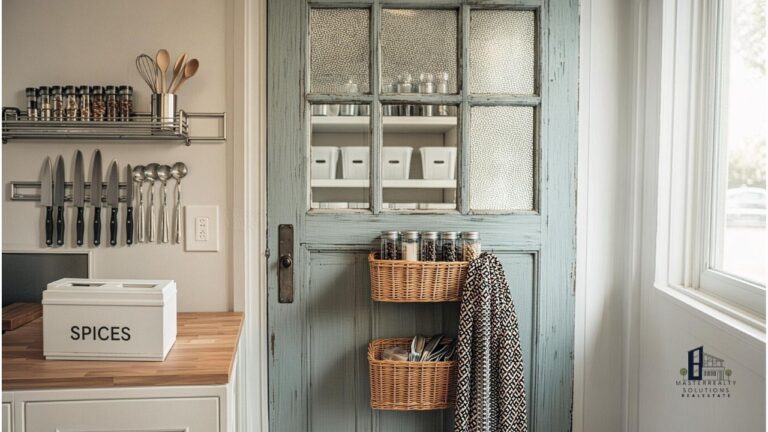
Built-in cabinets, under-stair storage, and multipurpose furniture maximize usable space.
Material Selection
Consider durability and maintenance:
- Engineered hardwood for longevity
- Quartz countertops for stain resistance
- Matte finishes for reduced fingerprints
Cohesive Design Language
Choose a consistent style—modern farmhouse, contemporary minimalism, transitional classic—and carry it throughout the home.
In reality, design consistency increases resale appeal and creates emotional harmony.
Structural, Mechanical, and Energy Upgrades
While aesthetics matter, infrastructure determines longevity.
Electrical and Plumbing
Outdated wiring poses safety risks. Modernizing circuits ensures your home supports smart technology and high-efficiency appliances.
HVAC Systems
Energy-efficient systems reduce long-term costs and environmental impact.
Insulation and Windows
Proper insulation can reduce heating and cooling expenses by up to 15%, according to energy efficiency studies.
A thoughtful whole house renovation balances beauty with performance.
Hiring the Right Professionals
The right team can transform a stressful project into a smooth journey.
Who You May Need
- General contractor
- Architect or designer
- Structural engineer
- Electrician and plumber
- Interior designer
Vetting Contractors
Ask for:
- Licensing and insurance
- Portfolio of completed projects
- Client references
- Detailed written estimates
Never rely solely on the lowest bid. In reality, extremely cheap quotes often lead to expensive corrections later.
Permits, Regulations, and Inspections
Skipping permits may seem like a shortcut. It rarely ends well.
Local authorities require permits for structural changes, electrical upgrades, and plumbing modifications. Failure to comply can result in fines and resale complications.
Always confirm:
- Zoning restrictions
- HOA regulations
- Safety codes
A compliant whole house renovation protects both your investment and your peace of mind.
Living Through the Renovation Process
Living inside a construction zone tests patience.
Tips for Survival
- Create a temporary kitchen space
- Seal off dust-prone areas
- Maintain open communication with contractors
- Set weekly progress check-ins
Many families choose temporary relocation for large-scale renovations. However, if you remain on-site, organization becomes your strongest ally.
Personal Background: The Renovation Industry & Financial Insights
The home renovation industry has grown significantly over the past decade. Low interest rates, aging housing stock, and remote work trends have driven demand for large-scale upgrades.
Career Journey in Renovation
Professionals in this field often begin in construction trades before moving into project management or design consultation. Many successful contractors build reputations through referrals and long-term client relationships.
Achievements in the Industry
Top renovation firms complete dozens of projects annually, generating millions in revenue. Award-winning design-build companies often gain recognition for sustainable building practices and innovative layouts.
Estimated Financial Insights
A mid-sized renovation company may generate annual revenues between $1 million and $5 million, depending on region and project size. Profit margins typically range between 10% and 20% after labor and material costs.
For homeowners, a well-executed whole house renovation can increase property value by 10% to 20%, particularly in competitive markets.
Frequently Asked Questions
How much does a whole house renovation cost?
Costs vary widely by location and scope. On average, homeowners spend between $100 and $250 per square foot.
Is it cheaper to renovate or rebuild?
Renovating often costs less than rebuilding, especially when the foundation and structure remain sound. However, severely damaged homes may benefit from rebuilding.
Do I need to move out during renovation?
For extensive structural work, temporary relocation may provide safety and convenience. Smaller projects may allow partial occupancy.
How do I finance a whole house renovation?
Options include home equity loans, cash-out refinancing, renovation loans, and personal savings.
What adds the most value during renovation?
Kitchen upgrades, bathroom remodels, energy efficiency improvements, and open floor plans often deliver strong returns.
How can I avoid going over budget?
Set a realistic budget, include contingency funds, and avoid frequent design changes once construction begins.
Can I manage the project myself?
Experienced homeowners sometimes act as project managers. However, complex projects benefit from professional oversight.
Will renovation increase property taxes?
In some areas, major improvements can increase assessed property value, leading to higher taxes.
Conclusion
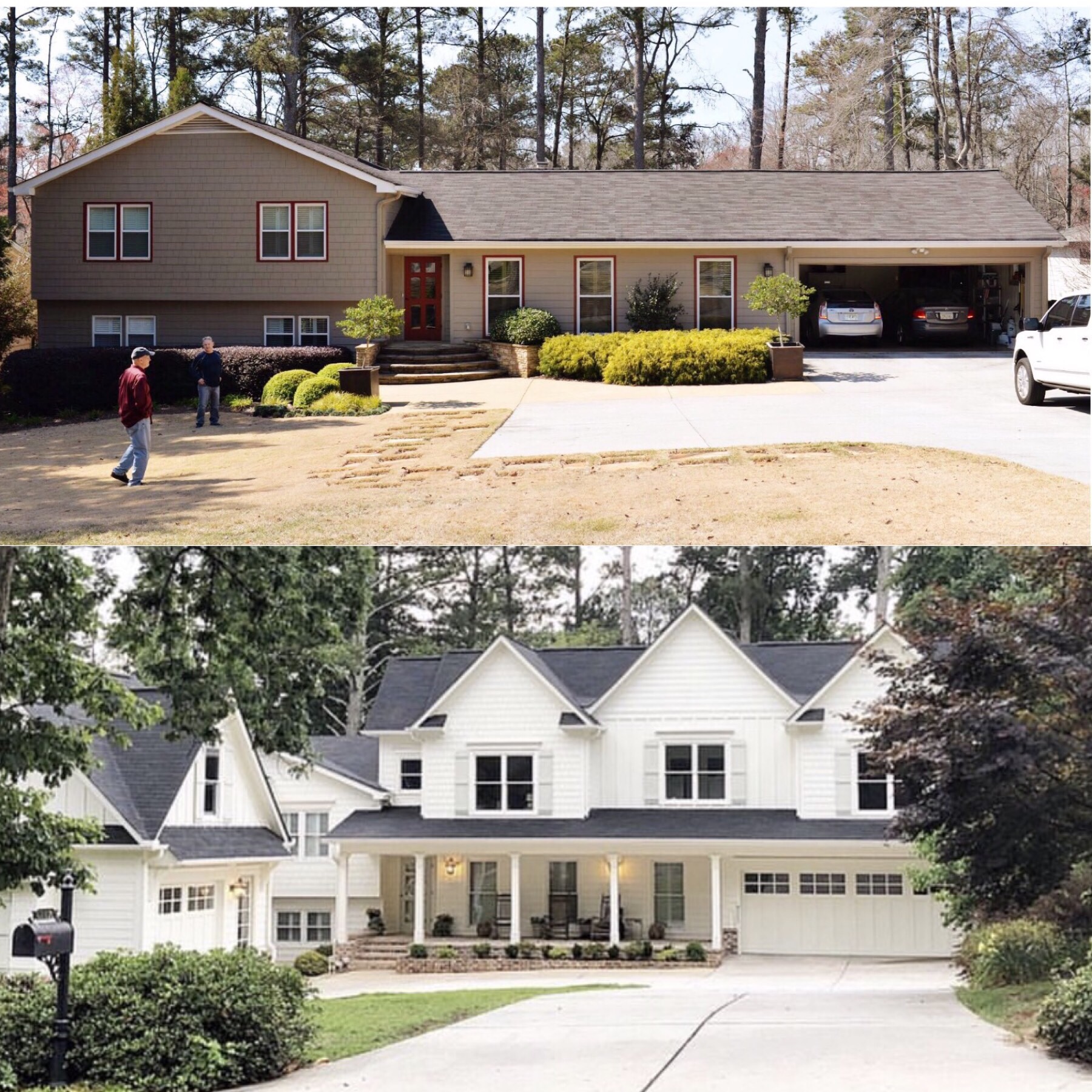
A whole house renovation is more than a construction project. It is a personal transformation of the space where life unfolds every day. It requires courage, planning, and financial commitment. That said, the reward can be extraordinary.
When you walk into a reimagined home that reflects your lifestyle, values, and aesthetic taste, the months of planning and dust suddenly feel worthwhile. Whether you aim to increase property value, modernize outdated systems, or simply create a more joyful environment, thoughtful preparation makes all the difference.
Approach your renovation strategically, surround yourself with experienced professionals, and remember that behind every beautiful home lies a well-executed plan.